Rubio Says Iran Wants the Rest of Their Cash Back as Wholesale Prices Hit a Four Year High
The diesel that hauls every turkey and chicken in America now costs more than double what it did a year ago.
On Friday, the Labor Department showed what that is doing to the price of everything you buy.
And the regime holding that fuel hostage has named its price – one Americans have seen before.
Wholesale Prices Jump 6.5% in a Single Year
The Producer Price Index – what businesses pay before anything reaches a store shelf – rose 6.5% over the 12 months ending in October.
No yearly jump has been bigger since November 2022.
Goods alone cost 10.2% more than they did a year ago, the steepest climb in four years.
Christopher Rupkey, chief economist at FWDBONDS, did not sugarcoat it: "There is no silver lining in the report."
Diesel Is Up 115% and It Rides on Every Truck
Even after slipping 7.9% in October, diesel still costs 115.2% more than it did twelve months ago.
That is not a gas pump problem – it is a grocery problem.
Every head of lettuce, every frozen bird, and every bag of coffee in this country moves on a diesel truck.
Truck freight costs jumped 3.9% in October alone, and trucking and warehousing accounted for roughly three-quarters of the rise in services prices.
So wholesale food prices climbed 1.3% in a single month – the sharpest increase since February – with vegetables, poultry, beef, dairy, and coffee leading the way.
A New Jersey Turkey Farmer Is Paying It First
Artie DiPaola, 78, runs a family turkey farm in Hamilton, New Jersey.
He told FOX Business the corn and soybeans his birds eat are up 10 to 12%.
"The production costs are all up wherever we look," DiPaola said.
He raised his price by 30 cents a pound, and wholesale turkey prices nationwide are up 12% this year.
Reuters tied the spreading price pressure to the diesel shock working its way through trucking and food.
That shock started when Iran's regime choked off the Strait of Hormuz after the war began in late February, cutting off a channel that carried about a fifth of the world's oil.
Back in August, Iranian security official Mohsen Rezaei vowed the strait "will not be opened" as long as America "does not accept Iran's conditions."
His demands: "America must end the war, pay Iran's frozen assets."
Rubio Says Iran Is Demanding Pallets of Cash
Secretary of State Marco Rubio has now spelled out what price Tehran wants in war reparations.
"The problem is the conditions they continue to place are absurd," Rubio said.
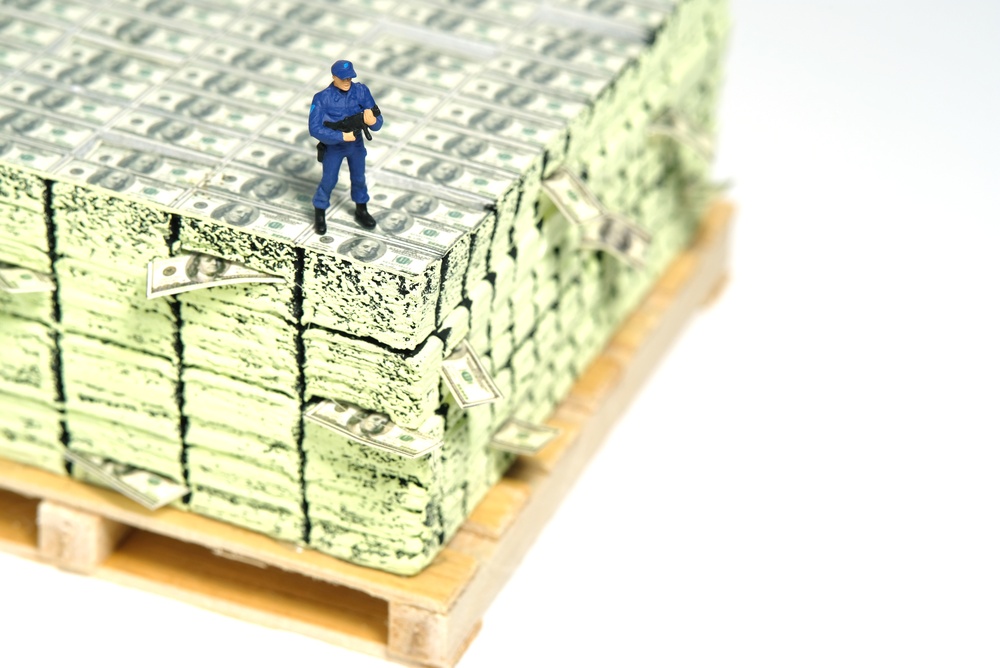
"They're demanding pallets of cash, which the president made clear is not going to happen."
Americans remember the last time Washington played that game.
In January 2016, the Obama administration sent Tehran $400 million in cash on pallets – money Iran had paid for American military equipment that was never delivered after the 1979 revolution.
The settlement tacked on another $1.3 billion in interest – there’s a lesson in both compounding and how out-of-control government spending impacts real prices.
Rubio says the American economic campaign is "working so well" that there is "really no need for major combat operations any longer."
The Fed Rate Hike Means Impacts America’s Credit Cards
The Federal Reserve held its benchmark rate at 3.75% to 4% last month, but that pause looks finished.
Fed Governor Christopher Waller said a half-point hike "should be considered" in December, warning a smaller move "would put our credibility at risk."
The fact is the market, meaning purchasers of US Government Debt really set the price of money.
Those institutions are now demanding higher yield and the Fed game right now is to make the public believe they’re being proactive when they’re really being reactive because public perception could and likely would turn if more people understood what was really happening.
A higher Fed rate right now is a last ditch effort to blame what you pay to carry a credit card balance, on top of your grocery bill, on a regime thousands of miles away.
This is a Playbook Henry Kissinger Created in the 1970s
Anyone who sat in a gas line in 1973 probably thinks they know exactly what this is.
That year, Arab oil producers cut off shipments to the United States, and families paid for it at the pump and the checkout lane.
What really happened is Kissinger and the National Security state wanted to fully end the last links to the gold standard and give themselves a seemingly unlimited credit line paid for by not only our taxes but our cost of borrowing.
They convinced Nixon to close the gold window “temporarily” on August 15, 1971 – that’s right he publicly presented the closing of the gold window as a temporary measure, stating “I have directed Secretary Connally to suspend temporarily the convertibility of the dollar into gold or other reserve assets, except in amounts and conditions determined to be in the interest of monetary stability and in the best interests of the United States.”
None of it was in the interest of the United States public at large.
Their new system came to be called the petro-dollar.
Instead of gold backing, the new reserve system would recycle large portions of the oil profits Americans would now put into OPEC rulers’ pockets, and use them to buy US Debt and arms.
OPEC rulers got richer and richer and got security guarantees for their regimes, supplied vis a vis America bases in the region.
US citizens and taxpayers supply the profits, the arms, and the inter-generational debt to pay for it all – and got to fund with both blood and treasure the forever wars that became the new backstop for our ever-diminishing dollars.
That system broke the moment Iran proved they could not only block oil shipments but hit any of those gulf rulers’ nations that American boots on the ground were supposed to protect.
https://twitter.com/prisonerroom101/status/2121060351844511834
The next wholesale report lands December 15.
The good news about this whole Iran debacle is it may in fact force Washington politicians to actually live within their means and stop stealing our lives and livelihoods with taxpayer-funded government spending.
Sources:
- Bureau of Labor Statistics, "Producer Price Indexes – October 2026," U.S. Department of Labor, November 13, 2026.
- "Wholesale inflation jumps 6.5% from last year – biggest increase since 2022: 'No silver lining'," New York Post, November 13, 2026.
- Lucia Mutikani, "US producer prices rise moderately in October, but inflation broadens out," Reuters, November 13, 2026.
- Andrew Moran, "US Producer Inflation Lower Than Expected in October," The Epoch Times, November 13, 2026.
- Arabella Bennett, "Thanksgiving shoppers face higher turkey prices as family farms struggle with rising costs," FOX Business, November 11, 2026.
- Matthew Shea, "Rubio: Military operations in Iran unnecessary – for now," Jewish Insider, November 10, 2026.
- "Obama administration says $400M to Iran was contingent on release of prisoners," Fox News, August 19, 2016.
- "Hormuz to Stay Closed Unless US Meets Iran's Conditions, Iran Official Says," The Algemeiner, August 11, 2026.