Maserati Can’t Sell Cars So It’s Betting Everything On a Private Island
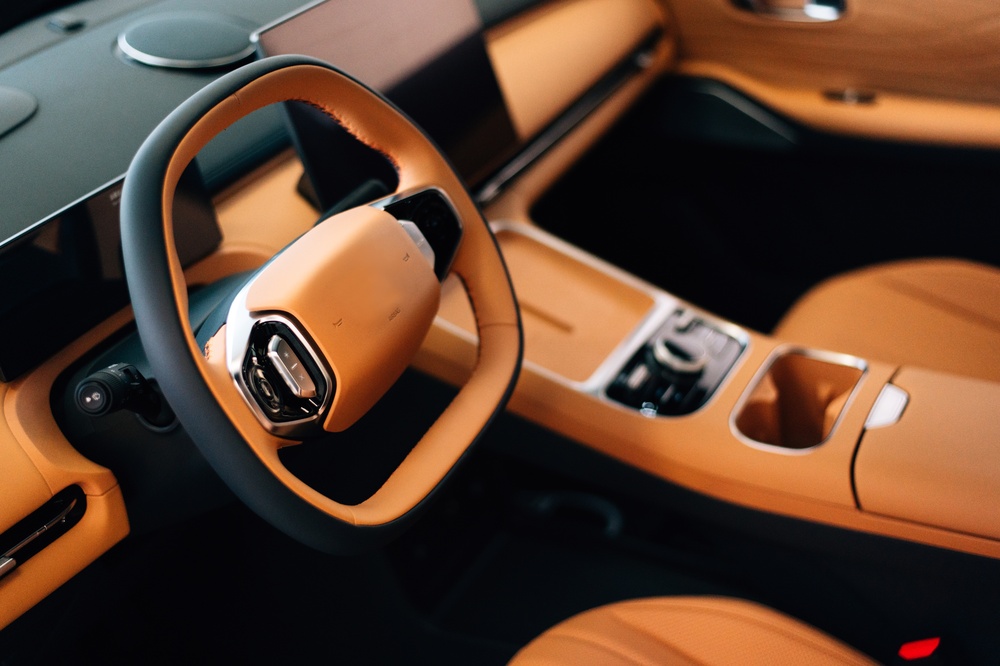
Maserati sold fewer than four thousand cars worldwide in the first nine months of 2026.
Now the Italian automaker is turning to real estate instead of showrooms.
Maserati just unveiled a private island that is supposed to fix what is happening on its sales floor.
Maserati Island Will Pack 840 Homes Into Dubai's World Islands
Maserati announced a partnership with Samana Collecta, the ultra-premium arm of Dubai developer Samana Developers, to build "Maserati Island" on Dubai's World Islands archipelago.
The project is slated to open by 2030.
The full build calls for 840 units split between standard apartments, seven water villas, and two tree villas.
Residents in the first 232-unit release get a private pool and a sea view no matter which size they pick, from a studio up to a four-bedroom layout.
The project leans hard into resort living rather than city living: a floating restaurant anchored just offshore, a private beach club, a marina built for water sports, and a co-working space for residents who have no intention of ever setting foot in an actual office.
Maserati has not released pricing for a single unit.
CEO Santo Ficili framed the project as a continuation of the brand, not a departure from it.
"Maserati's vision of luxury has always been distinctive, founded on elegance, beauty, passion, and attention to detail," Ficili said, tying the island to the company's "Made in Italy" identity.
The announcement follows Maserati's recent launch of Casa Maserati, the branch of the company now dedicated to lifestyle and real estate ventures that have nothing to do with building cars.
https://twitter.com/IvanFromDubai/status/2120371559181197319
Porsche and Bugatti Already Found Dubai Buyers Will Pay for a Badge
Maserati is not the first car company to decide the easiest sale in Dubai is a condo with a famous name on the building.
Porsche Design Towers already stand in Miami and Bangkok.
Aston Martin put its name on 130 William in New York and on Aston Martin Residences in Miami.
Bugatti Residences already opened in Dubai, and Mercedes-Benz has gone even further, branding an entire planned city of 13,000 apartments in the emirate.
Dubai's market has rewarded the strategy for years, letting buyers pay a premium simply to live inside a recognizable logo.
Research from property analysts at Knight Frank has tracked the trend across the emirate for years, finding that branded towers routinely command higher resale prices than identical unbranded buildings next door.
But the timing for Maserati's entry is not exactly flattering.
Maserati's global sales have cratered for three straight years, falling by roughly half in two years at one point, and industry trackers have openly compared the brand's trajectory to Jaguar's, a cautionary tale nobody in Turin wants repeated.
Brussels and Paris have done their part to help that collapse along.
France's ecological malus tax now hits nearly the entire Maserati lineup with the maximum penalty allowed, adding up to 60,000 euros on top of the sticker price simply because the cars have enough horsepower to be worth owning, and Maserati has already lost roughly 90 percent of its French sales since 2016 chasing that penalty downward.
Italy is now lobbying Brussels for a petrol engine exemption to protect its supercar makers from the European Union's 2035 combustion engine ban, which amounts to Rome admitting that Brussels' climate mandates are doing real damage to the one industry Italy still leads the world in building.
Maserati's Real Problem Is Not Real Estate
A branded island can generate licensing fees and headlines, but it does not put a single new Maserati in a single new driveway.
Stellantis, Maserati's parent company, keeps describing the brand's collapse as a deliberate retreat into scarcity and ultra-luxury positioning rather than a failure.
That explanation gets harder to sell against the math: sixty of Maserati's eighty-six U.S. dealers posted zero sales in July 2026.
Ferrari sells supercars under the exact same Brussels rules and just raised its full-year guidance on rising profit, which means the regulatory headwind cannot be the whole story for Maserati.
A floating restaurant on a private island is a real asset for Samana's balance sheet.
It is not a fix for an Italian sports car brand that fewer and fewer people are actually choosing to buy.
Dubai buyers pay a premium for a badge on a building because the badge signals something about the buyer, not because the badge still signals anything about engineering, and Maserati knows that distinction better than anyone selling condos in the emirate right now.
Maserati built its name on engines, not elevations, and Maserati's CEO still talks about "elegance" and "passion" as if the product on the showroom floor were the thing winning customers over.
A car company that cannot move inventory can still sell square footage, because the license fee clears regardless of what happens on the lot.
Right now, the island is the better-performing asset, and nobody at Stellantis is pretending otherwise.
Sources:
- Greek Reporter, "Italian Luxury Carmaker Maserati to Build Private Island Off Dubai's Coast," Greek Reporter, November 12, 2026.
- CarBuzz, "Maserati, Struggling to Sell Cars, Will Sell You an Island Home Instead," CarBuzz, November 15, 2026.
- Motor1, "Maserati Island Revealed: 840 Residences, Private Pools and a Floating Italian Restaurant in Dubai," Motor1, 2026.
- Club Alfa, "Maserati Struggles in the US as 60 of 86 Dealers Record Zero Sales in July," Club Alfa, 2026.
- ItalPassion, "In 9 Months, Maserati Sold Fewer Than 4,000 Cars," ItalPassion, 2026.
- ItalPassion, "Maserati Assassinated by the Ecological Malus Français 2024," ItalPassion, 2024.
- CarExpert, "Italy Wants Petrol Engine Exemption for Supercar Makers," CarExpert, 2026.
- Club Alfa, "Ferrari Starts 2026 Strong With Rising Revenue and Orders Already Extending Into 2027," Club Alfa, 2026.