Elon Musk Praised the Cybertruck Era but Confirmed Tesla Is Ending Production in Austin Texas
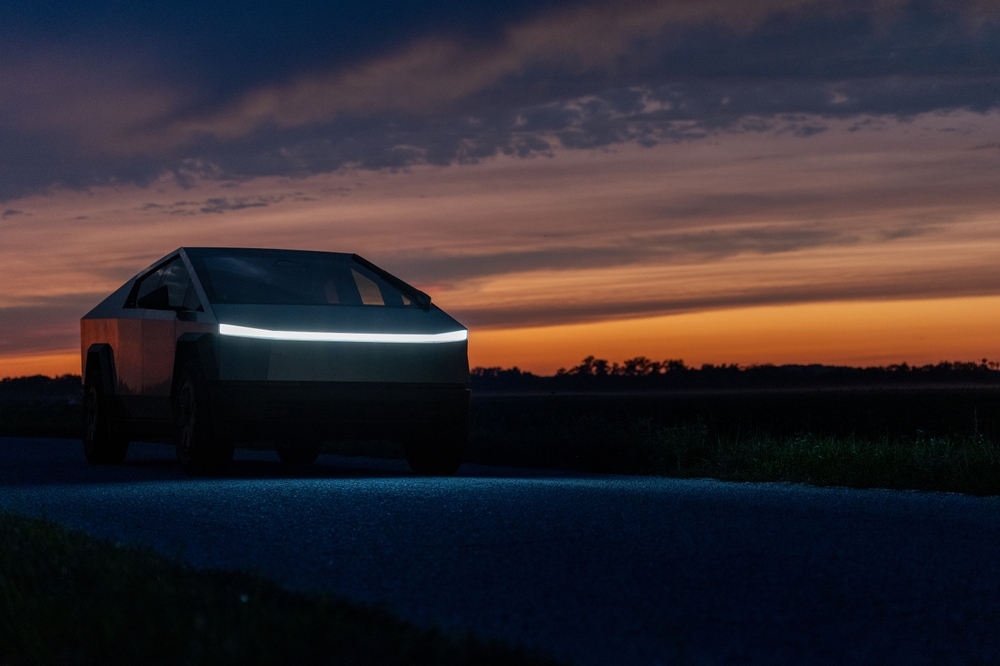
Ford promised 200,000 Edsel buyers in 1957 and never got close.
Tesla promised an even bigger number for the Cybertruck and missed by just as much.
Musk just confirmed Tesla is killing the truck and did not push back.
The Sales Numbers That Made Cybertruck Worse Than the Edsel
Ford sold less than a third of that total before killing the Edsel two years later.
Musk set the bar even higher, promising the Austin, Texas plant could build 250,000 Cybertrucks a year.
First-year sales landed below 40,000, and deliveries never came close to the annual target in any year since.
Tesla stopped breaking Cybertruck numbers out separately and buried them inside a catch-all "Other Models" line.
That line still fell to 8,295 deliveries in the third quarter of 2026, down from 12,364 the quarter before.
S&P Global Mobility found that more than a thousand of the truck's registrations went to SpaceX and other Musk-run companies rather than outside buyers.
Multiple outlets, including Futurism, have called the Cybertruck the biggest flop in American automotive history.
Why Redesigns and Price Cuts Never Saved the Truck
The stainless-steel body that was supposed to be the Cybertruck's signature feature also kept it out of parts of Europe, where regulators balked at approving it.
Tesla recalled the truck multiple times over quality problems during its production run.
A dispute with a casting supplier created a backlog so large that Tesla told a federal court in July it had several thousand Cybertrucks already committed to customers that it could not physically build.
Tesla rolled out a cheaper dual-motor trim in late June to try to juice demand.
It raised that same trim's price by five thousand dollars two months later, to $74,990.
CFRA Research analyst Garrett Nelson said he expects the truck to "fade away" rather than get discontinued with an announcement, and called the idea of a redesign to boost sales a likely "futile effort."
The Subsidy Pipeline That Still Could Not Save the Truck
Washington underwrote the electric vehicle market for years with a $7,500 federal tax credit that propped up buyer demand across the industry, Cybertruck included.
Republicans phased that credit out through their budget law, and it expired for good on September 30, 2025.
Dealers reported an EV sales surge in the weeks before that deadline as buyers rushed to beat the cutoff, and Tesla posted a one-time sales jump that quarter along with the rest of the industry.
The market reverted once the deadline passed, and buyers were left facing the sticker price Washington had been quietly covering part of.
Cybertruck's numbers kept sinking anyway, and a truck that had already raised its price by $5,000 that same year was never going to get cheaper once the $7,500 discount disappeared.
The Cybercab Plan That Is Replacing the Truck On the Line
Musk's stated reason for winding down Cybertruck production by mid-2027 is freeing up the Austin factory for the Cybercab, Tesla's newly launched autonomous robotaxi.
He has not said whether Cybertruck production will move to another Tesla plant or simply stop, and Austin remains the only facility currently equipped to build the truck's specialized components.
Musk called the Cybertruck "the best vehicle Tesla has ever made" in the same message announcing its production will wind down.
He did not dispute that the move marks the "end of an era."
Wes Morrill, the Cybertruck's lead engineer, told X the truck "lives on through Cybercab," which is the closest anyone at Tesla has come to a eulogy.
Tesla has also warned 2026 capital spending will top $25 billion as Cybercab production ramps up, a number that sent shares down 7 percent on its own.
Musk's Production Promises Have Missed Before
The 250,000-unit Cybertruck target joins a list of Musk production promises that didn't survive contact with a factory floor, from Full Self-Driving timelines to the original Roadster delivery date.
Cybercab is now the promise riding on that same track record, with Musk already putting a $30,000 price tag on a vehicle that still has to prove it can be built at volume.
Tesla's overall deliveries held up better than the Cybertruck's did, landing at 486,532 for the third quarter and beating Wall Street's estimate even as the figure slipped slightly from a year earlier.
Investors rewarded that report with a stock jump, and that reaction tells you exactly where Tesla makes its real money these days – not the truck with the panels that keep cracking.
Sources:
- Lucas Nolan, "Elon Musk's Tesla to Wind Down Cybertruck Production by Mid-2027," Breitbart, November 6, 2026.
- 247wallst.com, "Cybertruck Deliveries Look Dismal Again, After Truck Called 'Biggest Flop in Automotive History,'" 247wallst, October 13, 2026.
- Claims Journal, "Tesla's Cratering Cybertruck Sales Evoke Ford Edsel Comparisons," Claims Journal, July 27, 2026.
- Futurism, "Cybertruck Biggest Flop in Automotive History," Futurism, 2026.
- Washington Examiner, "Electric Vehicle Sales Surge as Buyers Try to Get Ahead of Subsidy Expiration Tuesday," Washington Examiner, September 30, 2025.