Dana Perino and Emily Compagno Just Weighed in on Why Singles Are Ditching Candlelit Dinners for Pancakes
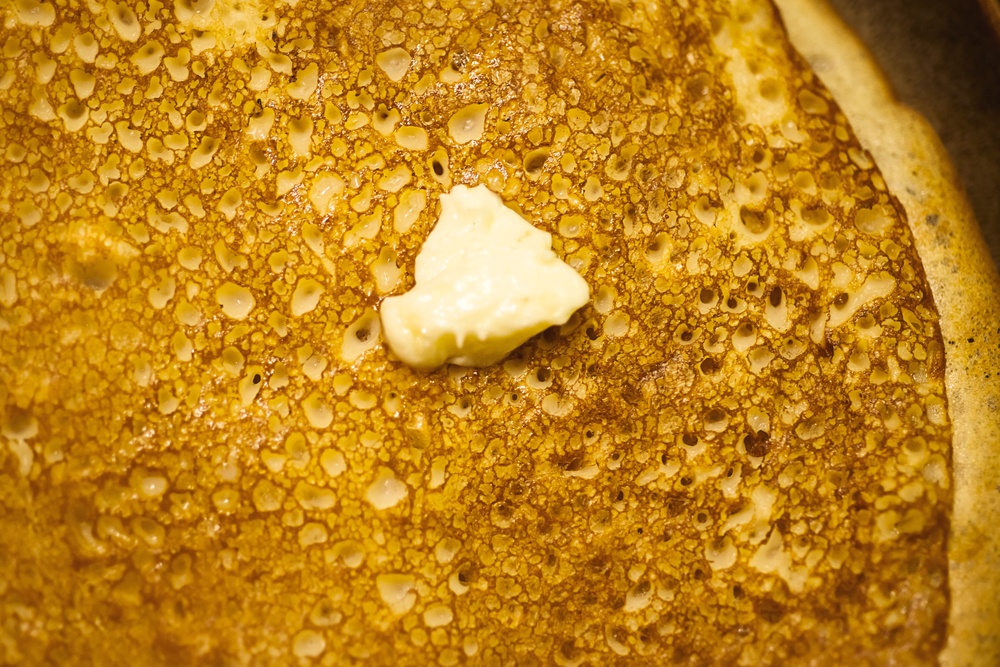
Sixty-four percent of Australian singles just told researchers they would rather meet over eggs and coffee than foot a dinner bill.
That shift lines up with a dating market where the average first date in America now costs nearly two hundred dollars.
Dana Perino and Emily Compagno just weighed in on why singles are making the smart move.
A Kellogg's Survey Put a Number on a Trend Everyone Already Felt
Kellogg's surveyed Australian singles and found that nearly two-thirds are open to a breakfast first date instead of the traditional dinner-and-drinks outing.
More than half of those surveyed said dating feels harder than it used to.
Sixty-six percent said dating apps have made the whole process feel less authentic and more like scrolling a catalog.
That's the real root of this shift: an industry built on keeping people swiping instead of meeting has left singles looking for the cheapest, fastest way to find out if an app got it right.
Nearly a third said a morning meeting takes the pressure off in a way a candlelit dinner never could.
Almost a quarter said they liked that a good breakfast date can turn into a spontaneous full day together if the chemistry is real.
Fox News co-host Emily Compagno put it plainly on "The Five," noting a breakfast date is "so much less expensive" and far less time-consuming than committing an entire evening to a stranger.
Her co-host Dana Perino made the practical case for why that matters.
"If it doesn't go well, you can move on," Perino said. "If it goes well, then you have a good day."
The Real Reason Singles Are Choosing Eggs over Candlelight
Dating and relationship coach Nicole Colantoni said the appeal isn't complicated once you sit through one.
A breakfast date is "casual, there's less pressure, and you can actually talk," Colantoni said.
There's a built-in exit ramp baked into the whole idea.
Bad date at eight in the morning means you're free for work, errands, or the gym by nine.
Bad date at eight at night used to mean a wasted evening and a bar tab to show for it.
Good date at either hour can still turn into something real, but only one of those hours comes with a cheap, easy way out if it doesn't.
That math is exactly why a format nobody talked about five years ago is suddenly showing up in national surveys.
It's not hard to see why restaurants would notice too.
A table that turns over in forty-five minutes over coffee and eggs is a better business than one that sits reserved for a two-hour dinner nobody's sure will end in a second date.
A Two Hundred Dollar Date Finally Broke the Dinner Date
Two years earlier, a survey from Self Financial put the average American date in the fifty-to-seventy-dollar range, with most of that going toward a shared dinner.
BMO's latest Real Financial Progress Index found the average American first date now runs $189, up twelve and a half percent from $168 just one year earlier.
Millennials are absorbing the worst of it, spending an average of two hundred fifty-two dollars on a single first date, a jump of roughly a third from the year before.
Gen Z singles are paying around two hundred five dollars, up from one hundred ninety-four.
Forty-seven percent of the singles BMO surveyed said dating has stopped being financially worth it at all.
Fourteen percent have responded by spending nothing and sticking to free activities, while another fourteen percent keep dropping three hundred dollars or more on a single night, splitting the dating pool into those who've opted out of spending and those still trying to impress.
BMO's analysts gave that split a name: a K-shaped dating economy, where the gap between cheap dates and extravagant ones keeps widening instead of settling somewhere in the middle.
Paul Dilda, who leads consumer strategy research at the bank, didn't soften it.
"With spending on dating outpacing inflation, singles can feel priced out of love," Dilda said.
Breakfast sits outside that whole arms race.
A short stack of pancakes and a cup of coffee costs a fraction of a three-course dinner and a round of cocktails, and nobody feels obligated to order a bottle of wine at seven in the morning to prove they're serious.
Singles aren't abandoning romance.
They're refusing to keep paying premium-dinner prices for a stranger they've never met, and a format built around eggs, coffee, and a built-in exit has turned out to be the honest answer to a question the dating apps never wanted to ask.
A two hundred dollar dinner used to be the price of finding out an app's algorithm was wrong again.
A seven dollar coffee carries a lot less risk than that, and singles have clearly done the math.
Sources:
- Fox News, "Singles Are Ditching Dinner and Drinks for Breakfast Dates as Dating Habits Shift, Survey Says," Fox News, October 2026.
- BMO Financial Group, "Date-flation Hits Hard: Average Date Spend Nears Two Hundred Dollars," BMO Real Financial Progress Index, February 11, 2026.
- Fox 13 News, "The Cost of Dating Is Stressing People Out, Survey Finds," Fox 13 News, March 25, 2024.