Trump Freed Venezuela’s Oil From Maduro and Washington’s Own Paperwork Is Strangling It
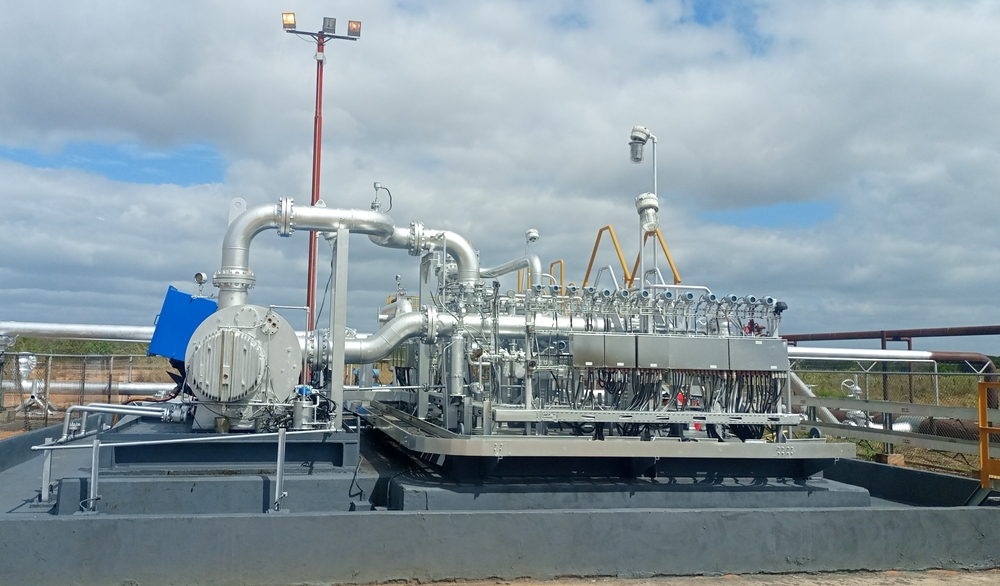
American forces dragged Nicolás Maduro out of Venezuela back in January and handed Trump the world's largest oil reserves.
Eight months later those same oil fields are still producing barely more than they did under the dictator.
One piece of leftover paperwork in Washington is deciding how much cheaper your gas gets from here.
America Is Importing More Venezuelan Oil While Production Stays Flat
Venezuela sits on more proven oil reserves than any country on Earth.
Trump ended Maduro's rule in January and promised those barrels would flow to American refineries instead of funding a dictator's drug routes.
They are flowing.
U.S. imports of Venezuelan crude climbed from 200,000 barrels a day in January to 630,000 barrels a day by June, according to Energy Information Administration data.
That sounds like a flood.
It is not.
Venezuela's total oil production has barely moved past 1.2 million barrels a day all year – roughly the same ceiling the country was stuck under before American forces ever set foot near Caracas.
The United States is not receiving more Venezuelan oil because Venezuela is producing more.
It is receiving more because a bigger slice of the same old pie got redirected here instead of to China or Israel.
That is a real win.
It is not the windfall Americans were promised.
PDVSA Is Still a Sanctioned Entity Eight Months After Maduro's Capture
Here is what should surprise you: Venezuela's state oil company, PDVSA, remains a specially designated national on the Treasury's sanctions list.
Maduro is gone.
The sanctions architecture built to strangle him is not.
Relief flows through revocable general licenses that Washington can pull back at any time, not a permanent lifting of sanctions.
Only American companies that existed before January 29, 2025, qualify to touch Venezuelan oil at all.
Every new joint venture needs its own individual sign off from the Treasury Department.
There is no blanket green light – there is a stack of case by case approvals sitting on desks.
Exxon has had the paperwork in front of it for months and still has not signed.
And why would they?
Ten Billion Dollars in Unpaid Debt Is Scaring Off Every Serious Investor
ConocoPhillips is still owed more than ten billion dollars from Venezuela's 2007 oil field seizures, and nobody has paid a dime of it.
That debt sits under every single conversation about new Venezuelan investment.
No major oil company wants to sink billions into a country that already stole from an American competitor once and never settled up.
Making it worse, interim leader Delcy Rodríguez holds no electoral mandate.
Venezuela walked away from international arbitration protections years ago, which means any contract signed with her government today could be challenged and unwound by whatever government comes next.
Wood Mackenzie's analysts summed up the result bluntly: regulatory approvals and infrastructure constraints, not geology, are what stand between Venezuela and a real production surge.
But someone is getting Venezuelan oil.
The Swamp Outlasted the Dictator
Democrats insisted for years that Venezuelan oil could never safely reach American shores, no matter who ran Caracas.
Trump proved them wrong in eight months.
He also proved something Washington will not say out loud: capturing a dictator is easier than firing the lawyers who wrote the sanctions rules protecting his old regime.
PDVSA sitting on a sanctions list, Exxon stuck waiting on a Treasury signature, and ConocoPhillips still owed ten billion dollars are not accidents.
They are leftover architecture from a bureaucracy built to punish Maduro that nobody has bothered to dismantle now that he is in an American courtroom instead of a palace.
Gas averaged $2.47 a gallon during Trump's no-more forever wars first term and $3.50 under Biden.
It sits at $4.44 as of Thursday, according to AAA, with a Middle East war pushing crude past a hundred dollars a barrel.
Imagine where that number would sit if the paperwork moved as fast as the Green Berets did.
Or how about where it would be if someone with the administration’s ears didn’t talk them into what very well could be the biggest geopolitical strategy blunder in history – one that could easily turn into one of the biggest economic disasters in decades.
Sources:
- Ward Clark, "Trump Now Eyeing Venezuela Oil to Shield America From Price Crunch," RedState, September 17, 2026.
- Michael Sinkewicz, "Trump administration eases sanctions on Venezuelan oil industry after Maduro's capture," Fox News, January 29, 2026.
- U.S. Energy Information Administration, "U.S. Imports from Venezuela of Crude Oil and Petroleum Products," EIA.gov, 2026.
- U.S. Department of Energy, "The State of American Energy: Promises Made, Promises Kept," Energy.gov, 2026.
- "Venezuela Reopened Its Oil Fields, and Exxon Has Still Not Said Yes," Rio Times, 2026.