JPMorgan and Bank of America Quietly Eye Loophole Dick Durbin Handed Them That Could Spike Your Bill
Dick Durbin spent sixteen years bragging that his law protected small businesses from Wall Street.
Now JPMorgan and Bank of America are eyeing it to raise your fees.
Insiders say the banks are too nervous to admit how this could hit your wallet.
The Senator Who Wrote the Rulebook
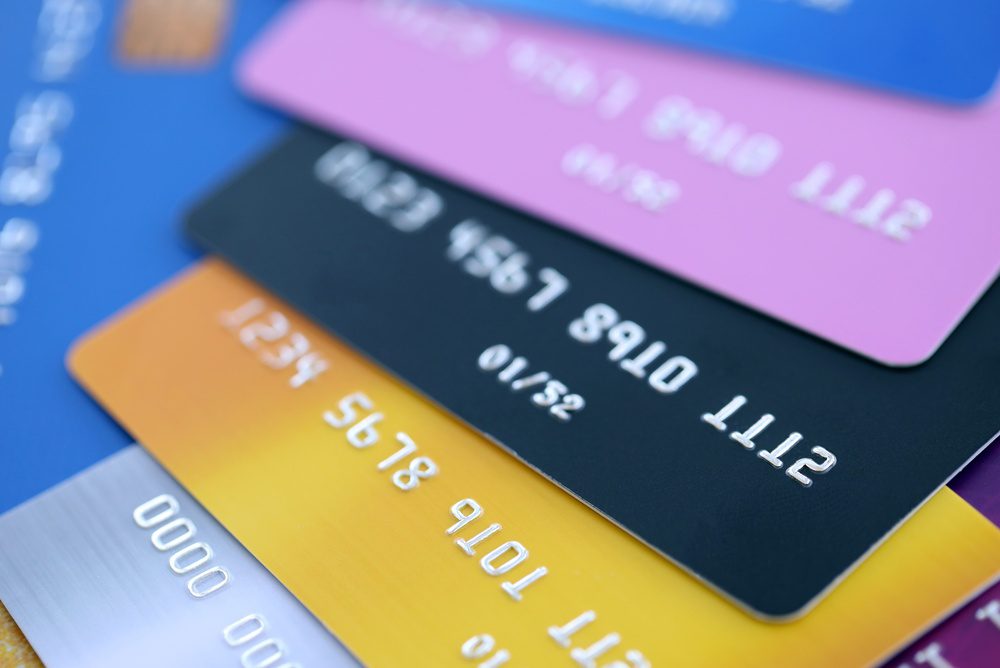
Every time you swipe a debit card at Walmart, a small cut of that sale gets split between your bank and the network that processed it, Visa or Mastercard most likely.
Banks call that cut an interchange fee, and Sen. Dick Durbin capped it in 2010 with the amendment that bears his name.
Durbin, the Illinois Democrat now heading toward retirement, spent a career casting himself as the man who saved small merchants from Wall Street greed.
But the Durbin cap only applies when your bank routes the transaction through an outside network like Visa or Mastercard.
When Capital One bought Discover for $50.6 billion, it didn't just buy a credit card brand.
It bought Discover's own payment network, meaning Capital One could process transactions in-house with no outside middleman and no Durbin cap standing in the way.
That's not a violation of Durbin's law.
It's a hole in Durbin's own law big enough to drive a bank through.
JPMorgan and Bank of America Make Their Move
According to The Wall Street Journal, JPMorgan Chase, Bank of America, Wells Fargo and PNC Financial Services Group have all held preliminary talks about buying a debit network from the payments company Fiserv.
Reports peg the potential deal at up to $15 billion for Fiserv's Star network alone.
Own the network, and suddenly the very cap Durbin built his legacy on simply stops applying.
Payments consultant Eric Grover put it bluntly: "I'm a huge fan of banks buying their own debit networks to escape Durbin."
Holland & Knight partner Eamonn Moran summed up the entire scheme in six words: "Own the network and the cap disappears."
The banks reportedly know exactly how this looks.
Wall Street's Cold Feet
The Wall Street Journal reported that some of these same banks have privately backed away from the idea because they're worried about political blowback from lawmakers, regulators and merchants who could accuse them of gaming the system.
In other words, JPMorgan and Bank of America want the loophole badly enough to explore a multibillion-dollar acquisition for it, but they're too nervous to pull the trigger in public view.
That's not the behavior of an industry that thinks it's playing fair.
That's the behavior of an industry that got caught with its hand on the scale.
Federal courts have already started chipping away at the Durbin framework, with a North Dakota judge ruling in August 2025 that the Federal Reserve overstepped its authority in setting the original swipe fee caps in the first place.
Sixteen years of government price fixing sold to Americans as consumer protection, and the senator who wrote it is retiring just as Wall Street finds the crack in his foundation.
The Federal Trade Commission won't even comment on whether it's watching.
PNC and Bank of America declined to comment when reporters asked directly.
JPMorgan and Wells Fargo didn't answer at all.
Silence from four of the biggest banks in America, and from the senator whose name is on the law, is its own kind of answer.
The very banks that fought Durbin from day one may have found a backdoor around him anyway, and the merchants and consumers who footed the bill for his regulatory experiment could end up footing the bill for its unraveling too.
If this deal happens, watch your receipt at the register, because somebody always pays for a Wall Street workaround, and it's rarely the bank, and it's certainly never the senator whose name is on the door.
Sources:
- Bryan Chai, "Bank of America and JPMorgan Chase Consider Teaming Up for Scheme to Extract Higher Card Transaction Fees," The Western Journal, July 9, 2026.
- Staff, "How Big Banks Are Scheming To Jack Up Your Fees," The Daily Caller, July 8, 2026.
- Staff, "Dick Durbin Is Coming for Your Credit Card Rewards," Fox Business, December 7, 2022.


